
Damp proofing questions answered
Straight answers about damp, our treatments, surveys and guarantees.
- Checkatrade 9.82 (389 reviews)
- Google 4.9
- 20-year DPC guarantee
For help comparing contractors, read how to choose a damp proofing company.
General
Which areas do you cover?
We cover West London out to High Wycombe, about 12 miles from our Ruislip base, including Harrow, Ealing and Wembley. See all areas we cover to find your local page.
Is your damp survey free?
Yes. Our damp survey is free and there is no obligation.
What guarantee do you give?
On completion of damp proof course treatment you receive a 20-year guarantee certificate. Guarantees for other work depend on the system specified in your quotation.
Are your technicians qualified?
Our technicians are PCA trained and Safeguard Ltd trained, and we use a BBA approved damp proofing system.
When can I call you?
We are open 24 hours. Call 07803 253337 or 0800 593 0300.
How do I know if I have rising damp or condensation?
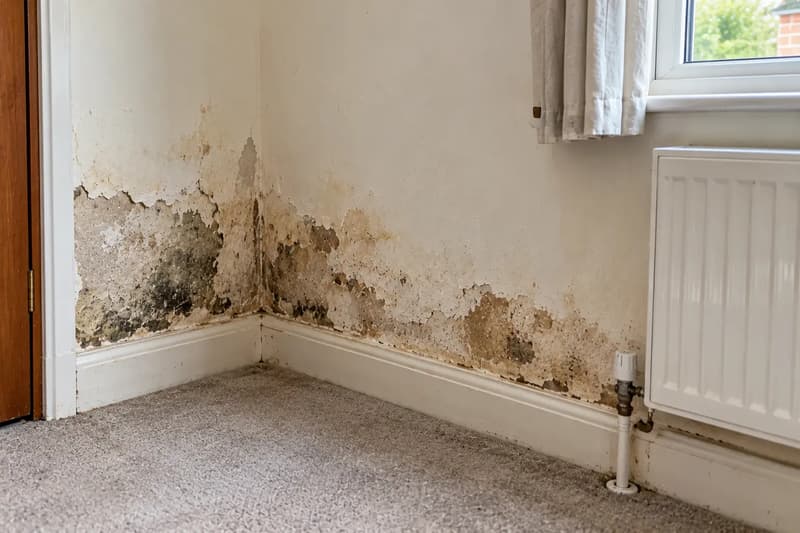
Rising damp leaves a tide mark low on walls and salt damage to plaster. Condensation causes mould in corners and on windows. A free survey will confirm which you have.
How long does a damp survey take?
A survey may take as little as 30 minutes or several hours, depending on the size of the property and the issues we find. We do not charge by the time spent surveying.
How long is my quotation valid?
Quotations are valid for three months after the survey. If more time has passed, contact us to review the quote.
How much does treatment cost?
Every home is different, so we give a written quotation after the free survey rather than guessing a price.
Masonry water-repellent treatment
Can brick water repellent close cracks in a wall?
No. Open joints, damaged brickwork and cracks need suitable repairs before a water-repellent treatment is considered.
Is masonry protection cream suitable for historic brickwork?
Not automatically. Traditional masonry needs assessment of materials, moisture and drying, with compatible repairs and any necessary conservation advice before coatings are chosen.
Will a treated wall dry instantly?
No. Limiting further rain absorption does not remove retained moisture immediately. Drying depends on construction, conditions and compatible internal and external finishes.
Rising damp treatment
How long does rising damp treatment take?
Most rooms are treated in one to three days, depending on the length of wall and plastering needed. We confirm timings after the survey.
How soon can I decorate?
With the Dryzone damp-resistant plaster system we use, walls are typically ready to paint within 2 to 5 days. We will confirm for your job.
Is the treatment guaranteed?
Yes. On completion you receive a 20-year guarantee certificate.
Can rising damp come back after treatment?
It can return if the new course is later bridged, for example by raised paving or soil heaped against the wall, or if a different moisture source was missed. Keep outside ground levels below the course; our guide to a bridged damp proof course explains what to watch for.
Do I need to replaster after a damp proof course?
Usually, where plaster has absorbed salts. Salt-contaminated plaster keeps drawing moisture from the air even once the wall stops wicking water upward, so it is replaced with a salt-resistant system. Read replastering after damp proofing for the steps.
Damp proof course (DPC) installation
Does DPC injection work?
It can control rising moisture in suitable masonry when correctly specified and installed. Bridges, other water sources and salt-damaged finishes must also be addressed; injection is not a remedy for every damp wall.
What is damp injection?
For a damp proof course, it means placing a specified water-repellent treatment into drilled holes in a mortar joint. The cured barrier is intended to interrupt ground moisture rising through the wall.
Is DPC injection messy?
Some dust is unavoidable when old plaster is removed, but we protect floors and furniture and clear up at the end of each day.
Can a DPC be installed from outside?
Often yes, depending on wall construction and access. We will recommend the best method after the survey.
Do I need to move out?
No. Most homeowners stay in the property while the work is carried out.
What is DPC cream?
It is a silane-based damp proofing cream injected into the mortar course. It cures inside the wall to form a water-repellent barrier that stops ground moisture rising.
How do I know if my house needs a new damp proof course?
Low-level damp on ground-floor walls, with a tide mark and salty plaster, is the usual pattern, but bridging and leaks can look similar. A survey with moisture readings and outside checks confirms whether a new course is the right answer; see signs of rising damp.
Is a damp proof course the same as a damp proof membrane?
No. A course is a barrier within the wall itself, while a membrane is a sheet material used on floors or walls in some repairs. Our guide to damp proof membranes explains where each one is used.
Penetrating damp treatment
Is penetrating damp the same as rising damp?
No. Penetrating damp comes from outside, usually rain, and can occur at any height. Rising damp comes from the ground and stays low on the wall.
Will a new damp proof course fix penetrating damp?
No. A DPC only stops moisture rising from the ground. Penetrating damp needs the entry point fixed.
Why does my wall only get damp when it rains?
Damp that follows the weather points to water getting in from outside rather than moisture from the ground or the air indoors. Note where the patch appears and how quickly it follows a downpour; our guide to wet patches on walls shows how to read those clues.
Why is my chimney breast damp?
Rain entering at the stack, a sealed flue with no airflow and salts left by old fires are the usual causes. Our guide to chimney breast damp explains how to tell them apart.
Can cavity wall insulation cause damp?
It can on exposed walls, or where the outer brickwork lets in a lot of rain, because the insulation may carry water across the cavity. Other causes are ruled out first; see our guide to cavity wall insulation and damp.
Condensation control
Will a dehumidifier fix condensation?
It can help, but it treats the symptom. Lasting control usually needs better ventilation and fewer cold spots.
Can condensation cause health problems?
The mould it leads to can affect people with asthma, allergies and respiratory conditions, so it is worth tackling.
Why do I get condensation on walls but not windows?
Walls with poor insulation, or corners with little air movement, can be colder than modern double glazing. Moist air condenses on the coldest surface it finds.
How can I tell condensation from damp?
Condensation follows indoor moisture and cold surfaces, so it is worst after cooking, showers and cold nights. Rising damp leaves a tide mark and salts low on the wall, while penetrating damp follows the rain. Compare them in rising damp vs condensation and types of damp.
Does opening windows stop condensation?
Opening a window or trickle vent while cooking, showering or drying clothes lets moist air escape before it settles on cold surfaces. It works best alongside extractor fans that run long enough; condensation that persists may need better ventilation.
Do you check for other types of damp too?
Yes. The survey rules rising and penetrating damp in or out, so you only pay for the treatment your home actually needs.
Mould treatment
What affects the cost of mould removal?
The area affected, the materials involved, access, replacement finishes and work needed to control moisture all influence the scope. Our mould removal cost guide explains these factors; a survey supports a written quotation.
How do you fix mould for good?
Remove or treat the affected growth and address the moisture allowing it to return. Depending on the diagnosis, that may involve leak repairs, ventilation improvements or appropriate damp treatment rather than cleaning alone.
Is black mould dangerous?
Mould can trigger breathing problems, especially for children, older people and anyone with asthma. It is best treated promptly.
Can I just use bleach?
Bleach may remove the stain but does not deal with the moisture causing it, so mould usually returns.
Do you remove mould from bedrooms and bathrooms?
Yes. These are the rooms where we find mould most often, and we look at ventilation and cold surfaces in each one so the mould does not come straight back.
Will you tell me what is causing the mould?
Yes. The survey identifies whether condensation, penetrating damp or rising damp is behind it, and the written recommendation explains how to fix that cause.
Can mould grow behind wallpaper or furniture?
Yes. Cold walls behind wardrobes and beds get little air movement, and growth can spread under wallpaper before it shows. Our guide to mould behind furniture explains what to check.
Should I clean the mould before the survey?
Take photos first so the pattern can be seen. Small patches on washable surfaces can be cleaned following the product instructions, but leave large areas or damaged plaster for the inspection. For health advice, read is black mould dangerous?
Woodworm treatment
Can woodworm come back after treatment?
Further activity is possible if affected timber was inaccessible, the original problem was not properly identified or a new infestation occurs. Report fresh evidence and ask for reassessment rather than assuming old holes prove continuing activity.
Does woodworm treatment smell?
Odour depends on the product and application. Ask which product is proposed and follow its ventilation and re-entry instructions; a lack of smell does not establish that a space is ready to use.
Does woodworm treatment stain wood?
The effect depends on the product, timber and existing finish. Discuss surface compatibility and an inconspicuous test where appearance matters, following the manufacturer’s instructions.
Free damp survey
Can I really get a free damp survey?
Yes. Our homeowner damp survey is free, with no obligation to accept the quotation for work. Describe your address and symptoms when requesting the visit.
Do I need a damp survey?
An assessment is useful when the source is uncertain, marks recur or damaged finishes spread. An obvious plumbing emergency needs immediate attention to the leak rather than waiting for a survey.
How long does a damp survey take?
Most surveys take under an hour, depending on the size of the property.
Is a damp survey worth it?
It can help avoid paying for a treatment that does not address the moisture source. Ask for the reasoning behind the recommendation and a written quotation for the work needed.
Is the survey really free?
Yes, our damp survey for homeowners is free and there is no obligation to go ahead with any work.
Mould survey
Does a mould survey identify the species from its colour?
No. Colour alone does not identify a mould species or establish the moisture source. Inspection considers the growth pattern, affected material and building conditions.
Should I remove wallpaper before a mould inspection?
Leave it in place unless a competent person has advised otherwise. Explain lifting or damaged paper and any visible growth; disturbing concealed contamination can spread material.
Can one inspection consider several affected rooms?
Describe every affected space when arranging the visit. Different rooms may have separate moisture sources, so the scope and access should be clear beforehand.
Pre-purchase damp survey
Will a damp treatment quotation automatically satisfy my lender?
Not necessarily. Ask the lender what information, format and author qualifications it requires before commissioning an inspection or relying on a quotation.
Can a buyer arrange destructive investigation without the seller?
Permission is needed before opening up someone else’s property. Agree access and investigation with the seller or agent and the appointed specialist.
Should I assume a newly painted wall has no damp?
No. Decoration may conceal earlier damage. Ask about repair history and explain any damp observations recorded by your surveyor.
Basement tanking
What is cellar tanking?
It is a barrier waterproofing approach applied as a specified system to suitable cellar surfaces and junctions. The structure and water conditions need assessment before choosing it.
What affects basement waterproofing cost?
Area, preparation, access, the chosen design, drainage or pumping requirements and later finishes affect scope. Ask for a written specification rather than a price for an unseen cellar.
Can you paint over tanking slurry?
Only use a finish compatible with the specified system, after its required curing period. Follow the manufacturer’s instructions and avoid coatings or fixings that undermine the protection.
What are the main types of basement tanking system?
BS 8102 describes three: Type A barrier protection such as tanking slurry, Type B where the structure itself is watertight, and Type C drained protection using a cavity membrane with drainage.
Is a cavity drain membrane better than tanking slurry?
Neither is better everywhere. Slurry needs a sound surface and holds water back, while a drained membrane manages water that gets through but needs its drainage maintained.
Do I need a damp specialist or a waterproofing specialist for my cellar?
Keeping water out below ground is structural waterproofing, so ask for someone trained in it. A damp specialist can still help with damp in the rooms above.
How does basement tanking work?
A barrier system is applied to prepared walls and floors to resist water coming through. A drained system lets water reach a membrane cavity and channels it away, often to a sump and pump that need regular servicing.
Is a damp cellar always a tanking job?
No. Condensation on cold below-ground walls, leaking pipes or blocked outside drainage can make a cellar damp without water pushing through the structure. Those causes are dealt with first; tanking is for water entering through walls or floors.
Positive input ventilation
Does positive input ventilation make the house cold?
The temperature and movement of supplied air can affect comfort. Unit features, placement and settings matter; discuss the specific design and heating implications before installation.
Does PIV work?
It can improve air exchange and help manage condensation in a suitable building when correctly designed and commissioned. It cannot repair a leak or guarantee that every moisture source is resolved.
How does a PIV unit work?
It supplies filtered air to encourage replacement of humid indoor air through appropriate exit routes. The source, distribution and settings depend on the model and building.
What affects PIV cost?
Unit choice, access, ducting, electrical work, controls and making good affect installation scope. Ask also about filters, maintenance and any heating-related running costs.
Dry rot treatment
Can dry rot spread without moisture?
It needs moisture to develop. Hidden wet conditions can remain even when the room appears dry, so the source and affected adjoining areas need competent assessment.
Can you stop dry rot?
A suitable plan addresses moisture and affected materials, with repairs and treatment based on identification and extent. Controlling moisture is essential; a surface application alone may be insufficient.
Can I fix dry rot myself?
Do not attempt repairs to weakened structural timber or disturb concealed decay without competent advice. Identification, access and the condition of supporting elements need assessment before treatment.
Wood rot repair
Can wet rot be treated?
The plan needs to correct the moisture source and assess damaged timber. Treatment may be appropriate in a specified repair, but it does not restore strength already lost.
Does wet rot stop when the timber dries?
Removing the moisture conditions is essential to control decay, but concealed wet areas and existing damage still need checking. Drying alone does not make weakened timber sound.
What affects the cost of fixing wood rot?
Extent, structural function, access, moisture repairs and making good affect the work. Ask for a scope that separates assessment, source repairs and timber reinstatement.
Wall tie replacement
How long does wall tie replacement take?
Duration depends on the wall area, required tie pattern, safe access, investigation and making good. Ask for a programme based on the assessed repair rather than a standard time for every building.
What affects cavity wall tie replacement cost?
Area, height, access equipment, masonry condition, the chosen system, existing tie treatment and reinstatement affect scope. Structural investigation may be a separate requirement.
Do horizontal cracks prove that wall ties have failed?
No. Cracks can have several causes. The construction and condition need competent assessment before wall tie replacement is specified.
Landlord damp and mould
Should mould in a rental be blamed on lifestyle before inspection?
No. Building defects, ventilation and indoor conditions should be considered together. A report needs a practical assessment rather than an assumption from appearance alone.
Does a contractor decide landlord mould responsibility?
A contractor can assess building conditions and proposed repairs. Legal responsibilities depend on the tenancy and circumstances; check current GOV.UK guidance and seek appropriate advice.
What should a letting agent provide when arranging an inspection?
Give the address, affected areas, repair history, access contact and who can authorise work. Explain any specific documentation requirements and urgent building concerns.
Commercial damp proofing
Is a commercial damp survey covered by the homeowner free offer?
Commercial terms and scope need discussing separately. Explain the premises, access and documentation requirements before arranging an inspection.
Can repairs be planned while a business remains open?
That depends on the assessed work, safety arrangements and access. Ask about disruption and any possible phasing before agreeing a programme.
What information helps scope commercial mould removal?
Describe affected materials, room use, access and known moisture sources. Explain occupied areas and who can authorise investigation and repairs.
Worried about damp? Book your free survey today.
Open 24 hours. Over 30 years' experience. 20-year guarantee on completed DPC work.